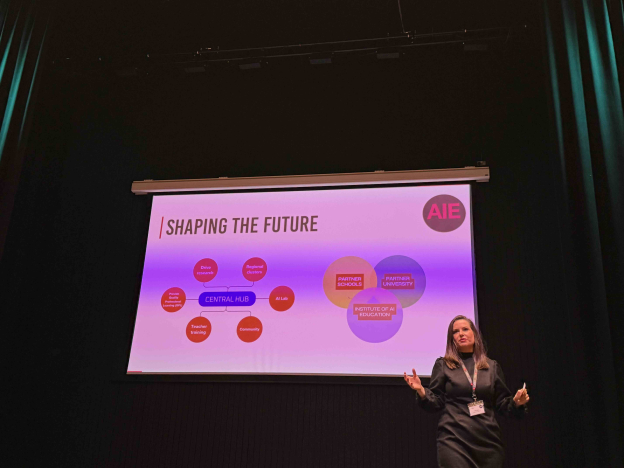
York St John University has hosted the launch of the new Institute of AI Education, bringing together teachers, researchers, school leaders and policymakers to consider how artificial intelligence should be understood and used across England’s education system.
The event, held at the university’s Creative Centre in York, marked the formal introduction of a research-led initiative focused on embedding AI literacy, critical thinking and learner agency across classrooms, teacher training and leadership practice. Organisers described the institute as a “work in progress by design”, inviting schools and educators to help shape its direction from the outset.
Based in York, the institute will operate on a national “hub and spoke” model, supporting regional networks while working closely with schools, universities and researchers. Rather than positioning AI as a standalone subject, the approach aims to weave AI literacy through existing curricula.
Opening the event, speakers said the central question for education was no longer whether AI would have an impact, but how schools and systems could respond responsibly, equitably and in the long-term interests of children and young people.
That focus on people rather than technology set the tone for the day. In their founders’ address, co-founders Beth Lane and Narinder Gill shared personal journeys that reflected the institute’s wider values.
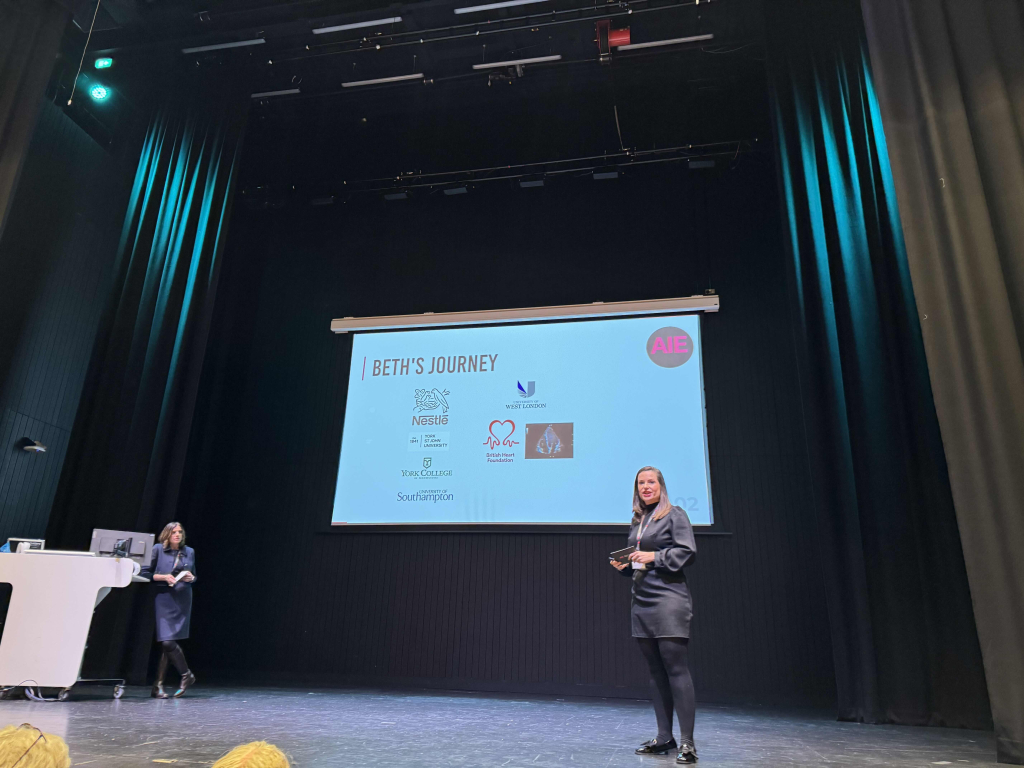
Dr Lane spoke about leaving school at 16 and starting work on a supermarket checkout before moving into industry, completing an apprenticeship and later returning to education to study computer science and complete a doctorate. Her story, she said, was a reminder that education systems must recognise potential at every stage of life, not only through traditional academic routes.
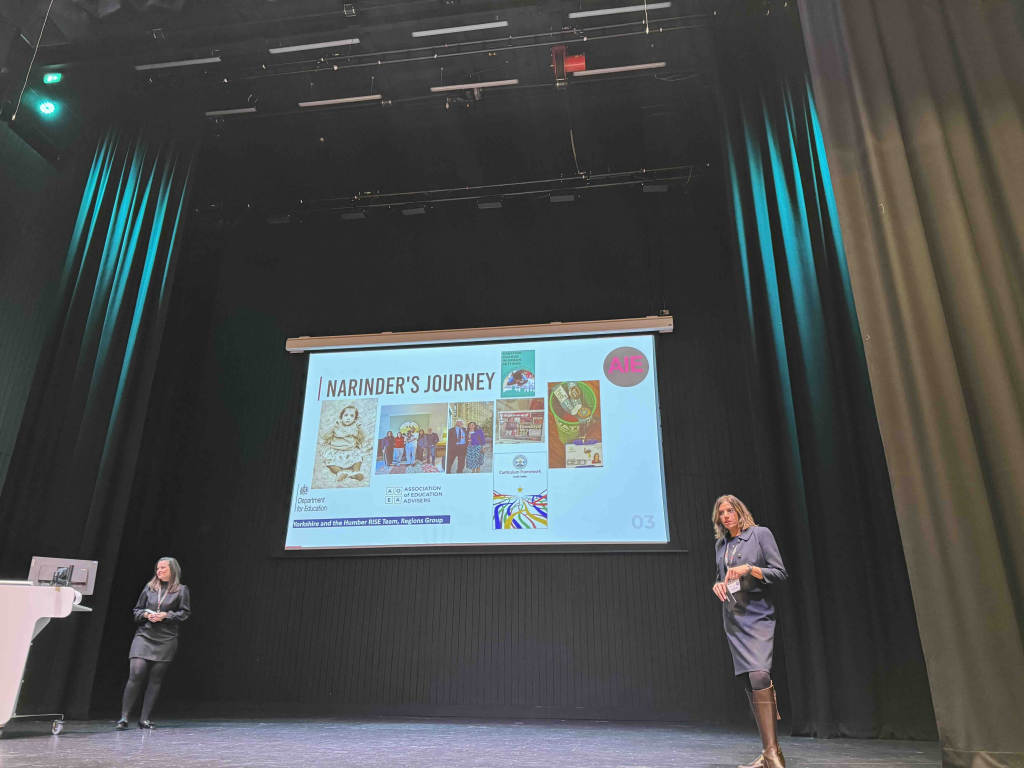
Narinder Gill described a career shaped by public service and education policy, including work with the Department for Education, the Association of Education Advisers and regional leadership across Yorkshire and the Humber. Her experience highlighted the importance of strong systems, trusted professionals and local communities in turning innovation into meaningful change in classrooms.
Together, the founders argued that AI cannot be embedded effectively in education without being grounded in lived experience – of teachers under pressure, of learners who do not fit neat categories, and of communities navigating rapid technological change.
The institute’s ambition, they said, is not to accelerate adoption for its own sake, but to support thoughtful, ethical progress. Its work will focus on helping children learn not just how to use AI tools, but how to question them, understand their limitations and reflect on their own thinking and emotional responses.
As the launch drew to a close, the message was clear: the future of AI in education will not be shaped by technology alone, but by people, diverse pathways and a shared commitment to evidence, trust and collaboration.